Mobile access can mean installed software or a browser shortcut, while payment methods, bonus terms and withdrawal checks shape the experience.

You tap a button marked “app” and expect an App Store download. Instead, a website opens in Safari or Chrome. That can feel like a bait-and-switch, but the label is often doing more work than the technology: what you have may be a mobile website, or a shortcut that opens one, rather than a conventional app installed from a store.
It helps to separate three things that can look similar on your phone: a native app, a browser site and a Progressive Web App. The differences are about how the software reaches your device and how you open it. The word “app” on a page doesn’t settle that question.
A native app is built for a particular mobile operating system and installed through a supported route, commonly an app store. Once installed, it has its own icon and opens as a separate application. Some of its files and functions live on the device, though it may still need an internet connection to work.
That is the format many people picture when they type in searches for a real-money casino app for Android or iPhone. But in Australia, casino apps are rarely listed on Google Play or Apple’s App Store. Casinos that accept Australian players tend to provide browser access or a PWA instead. So if you can’t find a listing, it doesn’t automatically mean you missed a hidden store page. Browser play is the default format.
There is a practical difference between a store listing and a download link offered elsewhere. With a native app from a store, the store provides a familiar installation route. A file offered directly by a website is not the same thing just because it installs an icon. I wouldn’t treat the word “download” as proof that something is a standard, store-distributed app.
A mobile browser site opens in Safari, Chrome or another browser. You visit the web address, sign in there and use the site in the browser window. It doesn’t need a separate app-store installation. The browser is the doorway; the service itself remains on the web.
This is why a casino page can look app-like without being a native app. It may be designed to fit a phone screen, with large buttons and navigation arranged for touch. Those design choices can make it feel familiar, but they don’t change the underlying format. Close the browser tab and you have closed the page, not uninstalled software.
For many Australian users, that is the ordinary route: open the mobile site and use the same account they use on desktop. If a page sends you to a browser after you were expecting an app, check what actually opened before deciding you need to install anything. A browser-based service may be the intended experience.
A Progressive Web App, or PWA, sits between those two ideas. It is a shortcut to a website that behaves more like a native app on a mobile device. Once added to the home screen, it can have its own icon, making it easier to return without typing the web address or finding the original tab.
The shortcut does not turn the website into a conventional app-store download. The site is still the foundation; the PWA gives you a more app-like way to open it. That distinction matters if you are comparing something promoted as a “casino app” with an actual listing in an official store.
If the website offers a PWA, the installation is done from the site itself. Tap the install prompt or the option to add the page to your home screen, then confirm when your phone asks. The wording and exact steps can vary by browser and device, so you may not see the same prompt everywhere. If there is no prompt, that alone does not prove the site is broken; the option may be presented differently or not offered.
Once installed, the icon is a convenient shortcut. It isn’t evidence that the operator has passed an app-store review, and it doesn’t change what kind of service is behind it. Useful distinction.
Built for a specific OS and installed via an app store; has its own icon and some local files.
Accessed via Safari or Chrome; no installation needed as the browser acts as the doorway.
A website shortcut added to the home screen that behaves like an app without a store download.
When a page says “real-money pokies app,” it may mean a native application, a browser site, or a PWA. Those are not interchangeable installation methods, even if the screens look alike after you open them. Before tapping through, look at where the link leads: an official app-store listing, a casino website, or a prompt to add a website shortcut.
I used to assume that a home-screen icon meant I had installed a proper app. It only meant I had made the page easier to reopen. That small distinction saves confusion when a service launches in a browser or when its app-store listing simply isn’t there.
So, if you are looking for an app and land on a website, pause before downloading anything from an unfamiliar link. First work out whether the site is offering browser access or a PWA shortcut. The label may be “app”; the format may still be a website.
A phone can open a casino page and still be a poor place to use it. The screen is smaller, your connection may change as you move around, and other apps can compete for the device’s attention. I’ve learned not to call a session “broken” before checking the ordinary things first. Sometimes the problem is less mysterious than the spinning symbol suggests.
Most Australian mobile casino access is through a browser, with the same account used on desktop. That means the experience depends on more than whether a page loads: the browser and phone need to handle the game without interruptions. A browser session may feel familiar, but it does not make a weak connection or an overloaded phone disappear.
A game that pauses, takes a long time to respond, or fails to load can be affected by an unstable internet connection. If you are switching between mobile data and Wi-Fi, or moving through an area with patchy coverage, a page may not behave consistently. The practical test is simple: see whether other pages are also slow or failing before blaming the game itself.
I used to keep tapping when a screen stopped responding. That did not fix anything; it just made it harder to tell whether the page had caught up. If a game stalls, give it a moment, check the connection, and avoid repeated taps while it is still trying to respond. A refresh may help, but it can also interrupt whatever was happening on the page, so do not treat it as a harmless button.
A specialist review of mobile casino access identifies poor connections, limited phone memory, outdated browsers, and too many apps running in the background as possible causes of problems. Those are useful things to check, not a guarantee that one of them explains every fault.
A phone can be doing several things at once: keeping apps open, loading pages, and handling alerts. If it is already struggling, a browser game may feel sluggish or stop responding. Closing apps you are not using can make it easier to see whether background activity was contributing. It is a basic check, not a magic fix.
Available memory matters too. When the phone is short on room to work, pages may take longer to respond or behave unpredictably. If that is happening across several apps, the casino page may simply be one more task the device is struggling to handle. Restarting the phone can clear up temporary problems, although it will not repair an old browser or improve a poor connection.
The browser itself is part of the setup. If it has not been updated for a long time, pages may not behave as expected. Keeping it current is a sensible troubleshooting step; so is checking whether the problem happens in other pages. If only one site has the issue, the cause may sit with that site rather than with your phone. I would not assume either way without checking.
“Not working” covers a lot of different problems. A page that will not open points you toward connection or browser trouble. A page that opens but freezes may involve the phone’s available resources or the page itself. A delayed response can be especially confusing because it may look like a tap did nothing, when the page is simply slow to react.
Pay attention to whether the problem is repeatable. Does it happen only when other apps are open? Does it clear when the connection improves? Does it appear across different pages, or only in one place? Those small observations are more useful than repeatedly reloading and hoping for a different result.
There is no need to turn basic troubleshooting into a project. Check the connection, close background apps, make sure the browser is up to date, and try again only if you are comfortable with the possibility that refreshing may interrupt the session. If the fault persists, stop rather than assuming that more tapping will sort it out. Frustration is a bad technician.
A search for a real-money slots app can leave the impression that the app is the important part. In practice, a phone’s connection, available memory, browser condition, and background activity can all affect what happens on screen. Even a page that loads correctly at first may become awkward if those conditions change.
That does not make every slow session the user’s fault. The site can have problems too, and a browser can be working normally while a particular page is not. The useful distinction is between a general phone problem and one that appears tied to a single page. Check the simple causes, then be willing to leave it there.
On a small screen, delays and unclear responses can also make it harder to tell what the page has registered. Take a second to confirm what is displayed before tapping again. I have made the opposite mistake: treating a pause as permission to press twice. It only adds confusion.
A mobile session can be convenient when everything behaves, but “mobile” does not mean dependable under every condition. Keep the expectation modest: the phone and connection have to cooperate, and sometimes they do not.
“Best” is an advertising label, not a finding that an offer is safe or suitable. I’ve learned to ignore the headline and look at who is behind the service, where it says it is licensed, and whether it accepts people located in Australia. Those checks do not remove the underlying risk. They just make it harder for a polished page to do all the thinking for you.
Start with the licensing claim. Casinos that accept Australian users may cite jurisdictions such as Curaçao, the Malta Gaming Authority or Gibraltar. Those are not Australian licences, and a licence from one of those places does not make online casino-style games lawful for operators to provide to people in Australia. Under the Interactive Gambling Act 2001, that provision is prohibited. A foreign regulator’s name is a clue about the operator’s claimed oversight, not proof that Australian protections apply.
If a site displays a licence, check whether the claim is specific and can be matched to the operator named in its terms. A badge or regulator’s name on a page is not the same as knowing which company runs the service or which rules govern a dispute. I would also read the terms for the operator’s legal name and stated jurisdiction before treating the licence claim as meaningful. No badge fixes the jurisdiction gap.
Next, confirm that the site accepts your location before depositing. Do not assume that a page loading on your phone means the operator permits Australian punters to register or use the service. Look for an explicit location policy, and if the terms are unclear, do not treat silence as permission. Access may also be blocked by the Australian Communications and Media Authority, which actively blocks illegal gambling sites. A site being visible at one moment is not a reliable sign that access will remain available.
There is a separate legal distinction worth keeping straight. The Interactive Gambling Act targets operators that provide prohibited online casino services to people in Australia; playing at an offshore casino is not, by itself, illegal for an individual under that Act. That does not turn the service into a locally regulated one, or give you the protections you might expect from a domestic consumer-facing business. These are different questions. Don’t blur them.
The hardest question is what happens if the operator refuses a withdrawal or closes an account. An offshore crypto-friendly casino may have a licensing claim, but that does not create an Australian government body you can complain to if it refuses to pay winnings. A complaint route named in the operator’s terms may be outside Australia, and pursuing it can be difficult. Read the dispute process before creating an account, not after money is tied up.
Legal Risk
Under the Interactive Gambling Act 2001, providing online casino-style games to people in Australia is prohibited for operators.
I don’t treat a high rating, a “top pick” badge or a slick app as evidence of fair handling. Nor would I rank operators here: a ranking can make an offshore service sound endorsed when the key limitation is that Australian recourse is not there. For anyone weighing an offer, the useful test is whether the operator’s identity, claimed jurisdiction, location policy and dispute terms are clear enough to understand before any money changes hands.
If the terms are vague, contradictory or hard to find, that is a reason to stop and reassess, not a puzzle you need to solve on the operator’s behalf. And if you are under 18, you cannot register and gamble in Australia. No “best” label changes any of this.
Depositing on a phone can look like one tap, but the payment route matters. A specialist review describes mobile casino deposits through PayID, BPAY, cards and cryptocurrency, with processing times that vary by method and operator. Treat that as a snapshot, not a promise that every option is available or will work for you.
PayID is described in that review as near-instant and typically free. Those terms are not a guarantee: check the payment screen for any fee and wait for the transaction to show as complete before assuming your account has been credited. A delay can sit with the payment provider or the casino, so keep the transaction reference if you need to ask what happened.
There is an important catch with POLi. Although older payment information may still list it, the service ended its Australian operations in September 2023 and no longer handles local transactions. Seeing POLi mentioned on a page does not mean it remains a usable Australian deposit route.
BPAY, cards and cryptocurrency also appear in mobile deposit information, but the time taken can differ. Check the cashier’s current instructions before sending money, including whether it identifies the correct payment method and the account details you are expected to use. Crypto transfers can be especially unforgiving if the wrong address or network is selected; do not send until the instructions are clear.
Card payments can fail even when you have entered the details correctly. A specialist review notes that some Australian banks block or flag gambling-related card charges. In that case, the rejection may come from the bank rather than a problem with your phone or the casino account. Repeated attempts are unlikely to clarify the reason. Check your banking app or contact the bank instead of assuming that changing a detail will fix it.
Attention: Some Australian banks may block or flag gambling-related card charges, causing payments to fail even with correct details.
I have made the mistake of treating a payment button as proof that a method is available to me. It is not. Options can vary between operators, and a method shown on a general information page may not appear in the cashier when you log in. Before authorising anything, check the displayed amount, any fee, the currency and the payment instructions. If those details do not match what you expected, stop and confirm them.
A pending deposit is not the same as a completed one. Keep a record of the payment confirmation and note what the cashier says about processing. If money leaves your account but does not appear in the casino balance, avoid sending the same payment again until its status is clear; otherwise, you could create a second transaction while the first is still being checked.
Short version: payment screens are not guarantees.
When choosing a real-money pokies app in Australia for 2026, check the operator details that matter to you, such as licensing and any stated deposit or payout information. Use this list as a reference point and verify the terms that apply before you play.
Bizzo Casino
Bizzo Casino is listed with a Curacao Gaming Control Board license under TechSolutions Group N.V.
Playfina Casino
Playfina Casino is licensed by Curacao eGaming under Hollycorn N.V., which has held the license since 2017. Its minimum deposit is A$20–30, depending on the offer.
DragonSlots Casino
DragonSlots Casino is listed with a Curacao Gaming Authority license under Jumpman Gaming Ltd.
Wild Tokyo
Wild Tokyo is licensed in Curacao and lists a minimum deposit of A$10. Its stated payout times are 30–60 minutes for crypto and 1–5 days for fiat.
JustCasino
JustCasino is listed with a Curacao Gaming Control Board license.
Roby Casino
Roby Casino is licensed by Curacao eGaming under Roby Games Ltd.
Vegaz Casino
Vegaz Casino lists a Curacao OGL/2024/1335/0780 license and a minimum deposit of EUR 20.
Rollero Casino
Rollero Casino is listed with a Curacao Gaming Control Board OGL/2023/176/0095 license under Hollycorn N.V.
SkyCrown
SkyCrown lists a Tobique Gaming Commission license and a minimum deposit of A$30. Its stated payout times are around 10–15 minutes for crypto and 1–5 days for fiat.
Golden Pokies
Golden Pokies is listed as licensed in Curacao.
The phrase sounds straightforward: install an app, open it, and play for cash. In Australia, the legal position behind that phrase is less tidy. The key distinction is between the operator providing the service and the individual trying to access it.
Under the Interactive Gambling Act 2001, an operator cannot legally offer online casino-style games to people in Australia. That covers real-money pokies as well as other casino games. The law is directed at the service provider; it does not make an individual Australian player’s use of an offshore mobile casino illegal under that Act. Those are different statements, and mixing them up can give you the wrong idea about the risks.
That distinction is not an endorsement. The Australian Communications and Media Authority (ACMA) works to restrict access to illegal gambling services, including by blocking websites. So an offshore site may be difficult to reach from Australia, and access can change. I used to read a working page as a sign that everything was above board. It isn’t.
The word “app” can also mislead. Offshore casinos that accept Australian punters commonly provide access through a mobile browser or a Progressive Web App, rather than a conventional app-store download. A PWA is a website shortcut that can behave much like an app on your phone. The label changes the way you open the service, not its legal status.
For anyone considering an offshore crypto-friendly casino, there are practical limits beyond the wording of the law. Confirm that the site accepts your location before depositing; a page loading successfully does not prove that it does. Using a VPN to reach a blocked casino may breach its terms, void winnings or result in account closure. And if an offshore casino refuses to pay, there is no Australian government body you can turn to for a complaint about that operator.
Those are the trade-offs the word “real-money” tends to hide. A balance displayed on a screen is not the same thing as a locally regulated service, and an app-like interface does not make the operator Australian. Keep that distinction in view before deciding whether the access route is worth the uncertainty.
You must be at least 18 to register and gamble in Australia. That age requirement does not change the operator’s legal position, and it does not turn an offshore service into a locally authorised one. In short, the phrase describes a way of accessing a cash-play service, not a special Australian category of app.
Different sides of the same line.
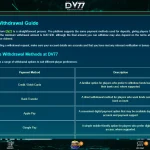
A balance changing on screen is not the same as money arriving in your account. I learned to separate the two: a withdrawal request can sit pending, wait for checks, then face the payment provider’s own processing time. “Instant payout” is a claim worth testing against the cashout rules, not a promise that funds will be available straight away.
Some specialist casino reviews report that crypto and e-wallet withdrawals can be processed in under 24 hours. That describes a reported processing window, not a guarantee for every punter or every request. With e-wallets, the casino’s pending period comes first; the same review material describes funds arriving within 24 hours after that stage. Read those as separate steps. If the operator has not approved the withdrawal yet, the payment clock may not have started.
Bank transfers can take up to five business days, according to specialist review material. The wording matters: business days are not the same as every day on the calendar, and that estimate does not erase any earlier casino checks or pending time. A withdrawal request made near a weekend or public holiday may therefore feel slower than the headline suggests. Keep the request confirmation and check its status rather than treating a displayed balance as paid.
The amount you can cash out may also be restricted. Specialist reviews report that some casinos set weekly or monthly withdrawal limits, with cited weekly limits ranging from $4,000 to $10,000. Those are reported examples, not a market-wide rule. If a balance is larger than the permitted amount for a period, payment may be split across periods rather than sent in one transfer. Find the limit and how it is applied before you decide what a win means in practical terms.
I used to focus on the win screen and leave the cashout terms for later. That was backwards. Check the permitted withdrawal methods, any pending stage, the processing estimate, and the withdrawal cap before treating a claimed win as money you can use. The exact conditions can vary by operator and payment route; don’t assume one site’s timetable applies to another.
These services are offshore and may be crypto-friendly; that does not make a payout assured or give an Australian punter local protection. Real-money online casino games are prohibited for operators to provide to people in Australia under the Interactive Gambling Act 2001. If an offshore casino refuses to pay, there is no Australian government body to complain to and have it resolve the dispute. A win can be claimed. Getting paid is another matter.
I used to treat the limits menu as something to look at after a bad session. That is the wrong order. If you are considering an offshore crypto-friendly casino, check whether its account controls let you set a deposit ceiling, restrict losses or wagering, limit session time, and exclude yourself from play. A specialist review describes these as available safeguards, but the controls offered can differ by operator. Read the actual account settings and terms rather than assuming every option is there.
Set a limit before depositing, while you are thinking clearly. A deposit cap can help keep gambling spending within a boundary you have chosen; a loss or wager limit tackles different behaviour, and a session timer can interrupt play that is running longer than intended. Self-exclusion is a stronger step: it is intended to prevent further access for the period set by the operator. Don’t treat any of these as a guarantee that you cannot overspend. They are tools, and their usefulness depends on what the casino actually enforces.
There is a bigger trade-off than a frustrating account setting. The Interactive Gambling Act 2001 prohibits operators from providing online casino-style games to people in Australia. The law does not make an individual punter criminally liable simply for playing offshore, but that does not give you the protections of a locally regulated casino market. If an offshore operator refuses to pay, there is no Australian government body you can take the complaint to for help recovering the winnings.
That distinction matters. A site may describe itself as “licensed” or display a foreign licence, but that is not the same as having Australian oversight or a local complaints route. The Australian Communications and Media Authority blocks access to illegal gambling sites, so a site that becomes inaccessible is not just a technical inconvenience.
Don’t try to get around a block with a VPN. If the operator’s terms prohibit it, using one may breach those terms; the casino may void winnings or close the account. I would not risk money on the assumption that a changed location setting will be overlooked.
The blunt test is whether you can accept the downside before you play: limited local recourse, controls that depend on the operator, and the possibility of losing access. If that risk is not acceptable, don’t deposit. No clever setting fixes that.
A bonus can look like extra money until you read what you have to do before it can be withdrawn. I learned to look past the headline and find the wagering requirement first. It tells you how much qualifying play is required, and the multiplier may apply to the bonus alone or to another stated amount. Check the wording rather than assuming.
A specialist review describes welcome-bonus requirements in the 30x to 50x range and treats anything above 40x as steep. Those figures are a guide to what that review reports, not a promise about every offer. A large multiplier can make a bonus difficult to clear, even when the headline sounds generous.
Then check the minimum deposit. If claiming requires a deposit you would not otherwise make, the offer may not suit you. The time limit matters too: find when the clock starts, when wagering must be completed and what happens to the bonus if the deadline passes. Some terms make an uncompleted bonus expire. Small print, real consequences.
I once focused on the bonus amount and barely glanced at the conditions. That was backwards. The useful question is not how much appears on screen, but whether the requirements fit the way you intend to play—and whether you are comfortable with the money being tied to them.
Read the game restrictions before accepting. Some offers count only selected games, or count different games differently toward wagering. If the pokies you planned to play are excluded or contribute less, progress may be slower than you expected. Check whether live tables or other games are restricted too.
Finally, look for the cashout cap and any rules about withdrawing while a bonus is active. A cap can limit what you may take out after completing the requirements. Confirm whether it applies to bonus winnings, and whether you must finish wagering before requesting a withdrawal.
For an offshore real-money casino offer, I would treat the terms as part of the offer itself, not fine print to skim after signing up. If the multiplier, minimum deposit, deadline, game restrictions or cashout cap is unclear, leave the bonus unclaimed. No bonus is worth agreeing to conditions you cannot explain back to yourself.
If you’re looking for a real-money pokies app for iPhone, the first thing to know is that the word “app” may mean a website shortcut, not software from the App Store. Casinos that take Australian users commonly provide access through a mobile browser or a Progressive Web App (PWA), rather than a native iPhone app.
I’ve found it easier to start in the browser and see what the site actually offers before adding anything to my home screen. A PWA is created from the casino website: if an install or add-to-home-screen prompt appears, you can tap it and confirm to place a shortcut on your iPhone. It opens more like an app, but it remains tied to the website. That’s the useful distinction. A shortcut doesn’t turn the operator into an Apple-verified service.
Be wary of download instructions that ask you to install an app outside the usual App Store route. Sideloaded casino apps carry security risks, and their safety depends on the operator. I wouldn’t treat a polished icon, a familiar-looking login screen or a claim that an app is “official” as proof that the download is safe. If you can’t establish who provides it and why you should trust them, don’t install it.
A browser or PWA avoids that particular download decision, but it doesn’t make the underlying gambling service safe or lawful for an operator to provide in Australia. The Interactive Gambling Act 2001 prohibits operators from offering online casino-style games to people in Australia. A punter isn’t made safer just because the site opens neatly on an iPhone.
So, when a page promises an iPhone app to win real money on pokies, separate the access format from the promise. Check whether you’re being sent to a website shortcut or asked to install separate software, and don’t hand over access or personal details just to make an unfamiliar app work. I learned that “app” can be a very loose label. Read the screen carefully.
“Free” can mean two different things, and I used to blur them together. Social casino apps let you play with virtual credits rather than money deposited for gambling. Those credits are part of the app’s play experience; they are not the same as a real-money balance.
In Australia, social and free-play casino apps that use virtual credits are legal to use and available through the Google Play Store and Apple App Store. That makes them a straightforward way to try casino-style play without treating the app as a way to gamble for cash. Free credits can still run out, and the app may invite you to keep playing, but that does not turn virtual play into real-money gambling.
A real-money pokies app is a different proposition. Offshore operators may offer casino-style games to people in Australia, but the Interactive Gambling Act 2001 prohibits operators from providing those services here. That legal distinction matters: an app-store listing for a free-play game is not evidence that a real-money service is permitted.
I once assumed “free” meant there was a path from practice credits to a payout. It does not. Check what kind of balance the app uses before you spend time on it. Virtual credits mean play, not winnings.
Yes. Most mobile casino access is through a browser, so you can sign in and play without installing a native app.
You must wager the required multiple of the bonus amount before the bonus can be cleared. Requirements commonly range from 30x to 50x, and many bonuses must be cleared within 7–10 days.
Yes. Most Australian mobile casinos let you use the same account in a mobile browser and on desktop.
Yes. Responsible gambling controls can include loss limits, as well as deposit and wager limits, session time limits and self-exclusion.